
Moving to Pori
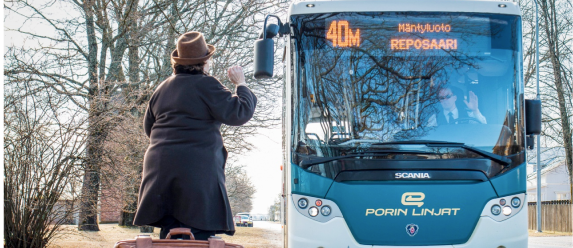
In this section, you’ll find useful resources to help you adjust, and prices for living in Pori and all over Finland. You’ll also get checklists and helpful links for moving to Finland and different ways to get to Pori. It’s all you need for a good start in our city!
Click directly to the content
Getting Ready to Move
When moving to Finland, make sure to take care of these:
- Migri – Residence permit
- Find a good translator app and load it to your phone. Test the app to make sure it works with your language! Here are some recommendations. If you can’t download an app, try a web-based translator, like DeepL.
- Ensure your travel documents and other documents are in order before arriving in Finland. If your family is joining you, remember to bring marriage and birth certificates with translations, if needed. ALL NON_EU DOCUMENTS need stamps from both the Ministry for Foreign Affairs and the Finnish Embassy
- If moving to Finland from outside of the EU, you need to declare all items brought with you to customs. If you are bringing a car, you must register the car in Finland, pay car tax (autovero) ((/ )), and have valid motor vehicle insurance (liikennevakuutus).
- Get a Finnish personal identity code (henkilötunnus) from the register office based on your residence permit – DVV. Once you’ve received your personal identification number, you have the possibility to:
- Get a foreigner’s identity card from the police. Once you have received an identity card, you can apply for a bank account.
- Learn about integration services offered to newcomers in Finland, which help with settling in, learning the language, and finding employment or educational opportunities.
Cost of living in Finland
Compared to other EU countries, the cost of living in Finland may be higher. However, the high quality of life, well developed social security system, and a large number of free services offset the expenses. The average housing price may vary depending on the location, but overall, Finland is known for its stability and high standard of living.
Arriving to Pori
After arriving at Helsinki Airport, there are three options for public transportation to get to Pori by:
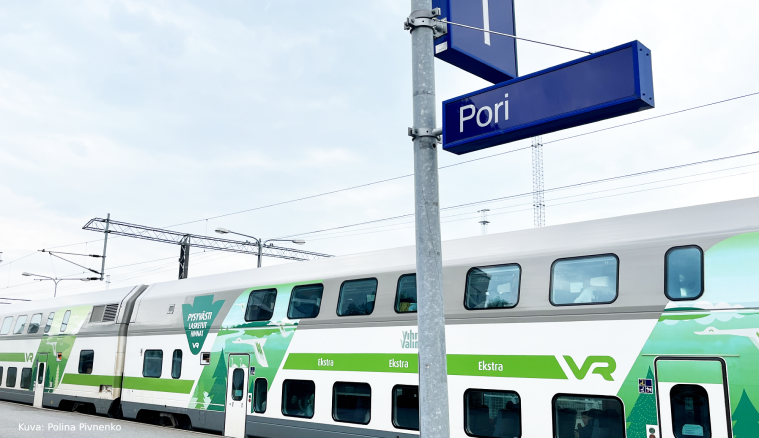
-
Tickets can be purchased through the VR website and mobile app.
The app is available in Finnish, Swedish, and English. When booking a ticket from the airport, you need to specify the departure point and the destination. Due to the railway connections, your journey may be divided into parts, where you may need to switch trains.
-
Tickets for the bus can be purchased through the website or mobile apps for Onnibus or Matkahuolto. You can also use the route planner

-
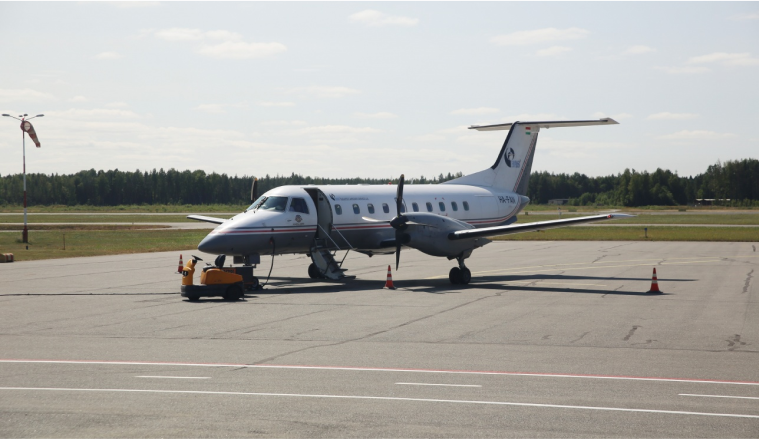
You can now book flights between Pori and Helsinki, available during the week, excluding holidays and always dependent on weather. Tickets can be purchased on Karhu.aero
Finnish culture
-
Satakunta is a coastal region However, a more famous traditional street food from Satakunta is the Porilainen, a grilled sandwich found all over Finland. An authentic Porilainen consists of two slices of toasted bread with a Metsästäjä (Hunter) sausage, similar to bologana, as the patty. It is then traditionally topped with onions, relish, mustard, and ketchup (Yle)

Source of foto: Pohjanmaan grilli
The preservation of maritime culture is evident in the food traditions of Satakunta and the region is particularly known for its fish dishes. One of Satakunta’s specialties is the lamprey, a jawless, eel-like fish. The influence of Swedish cuisine on food names and tastes can also be seen. The most visually striking traditional fish delicacy in Pori, is crucified vendance: a salted vendace fillet is attached to a board with wooden nails and smoked over an open fire. Whitefish and Baltic herring are also commonly used in the region.
A local specialty is the smelt, which is caught in early autumn. Many believe that the only right way to enjoy this finger-thick, round-mouthed fish is salted and served with schnapps.
It is common to incorporate consumables from nature into everyday dishes. Various mushroom and venison dishes are common sights on Satakunta dining tables. Berries also play a large role in Finnish cultural dishes and along with more widely recognized blueberries and lingonberries, more local offerings can also be found. Sea buckthorn, a uniquely flavored, bright orange coastal berry, grows abundantly in Satakunta. It is used to make various pastries, desserts, and drinks. A tangy sea buckthorn jelly is also a popular accompaniment to many meat dishes.
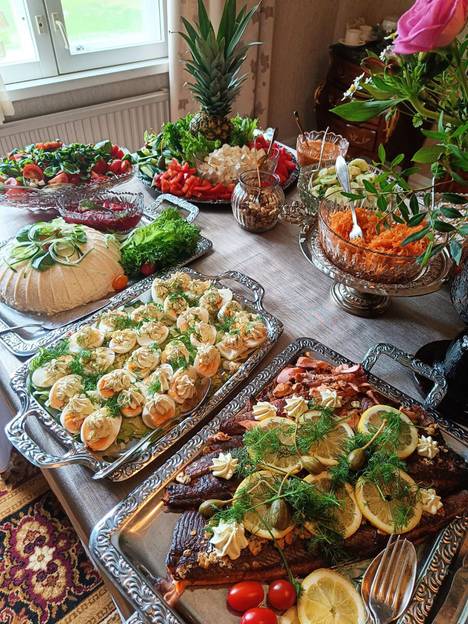
Source of foto: Sydän-Satakunta
-
In Finland, punctuality is highly valued, and arriving late to appointments is considered impolite. There is a much flatter hierarchy in Finland compared to other cultures: bosses and teachers are often referred to by first name by students or underlings. Finns are often perceived as reserved and calm, as they tend to keep strong emotions private, especially in public settings. Politeness also extends to respecting personal space and queuing etiquette, where overtaking in lines is frowned upon (except on highways). Finns value direct communication and tend to get straight to the point in conversations without much small talk. Greetings typically involve eye contact and handshakes, although hugs are becoming more common among friends.
( https://infofinland.fi/en/information-about-finland/finnish-customs )
-
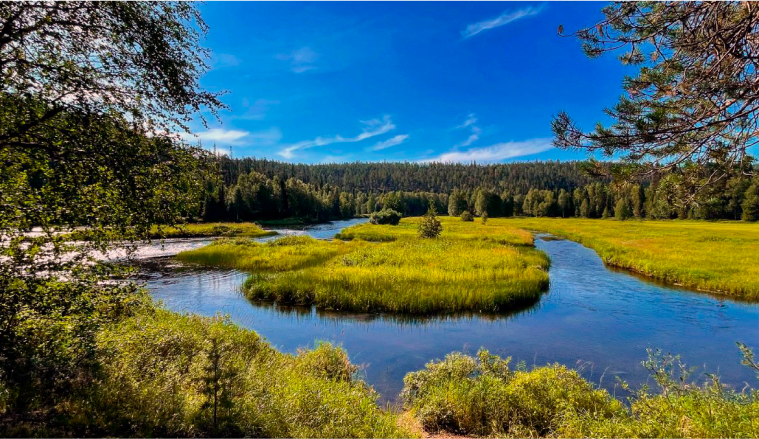
Pori, located on the west coast of Finland, experiences four distinct seasons, with the climate significantly affected by the nearby Gulf of Bothnia. While winters are snowy and dark, summers are known to be mild and relatively warm. Winter is shorter than more northern cities, but spring and autumn, referred to as the in-between times (välikaudet) may stretch, bringing slush, rain and grey skies. Summer is either very hot or markedly cool. Coastal areas, such as Satakunta, often have strong winds.
-
Pori, located on the west coast of Finland, experiences four distinct seasons, with the climate significantly affected by the nearby Gulf of Bothnia. While winters are snowy and dark, summers are known to be mild and relatively warm. Winter is shorter than more northern cities, but spring and autumn, referred to as the in-between times (välikaudet) may stretch, bringing slush, rain and grey skies. Summer is either very hot or markedly cool. Coastal areas, such as Satakunta, often have strong winds.
Winter (December – March) is normally snowy with temperatures commonly staying below zero, often reaching their lowest point in February with average lows around -6°C.
Spring (March – May) brings a gradually rise in temperatures, bringing longer days. March is often the driest month, while May can still be changeable. Some days may start with slight frost on windshields but make it up to 20°C during the day.
Summer (June – August/September) temperatures can range from year to year. Some years summers are mild and windy and other years can be quite hot with long, light days. July is the warmest month, with temperatures ranging from 17–20°C (63–68°F) on average.
Autumn (September – November) brings cooling temperatures, darkening days and increasingly rainy period. November is often the wettest month. The days become shorter and darker, with the first frosts often appearing in late autumn.
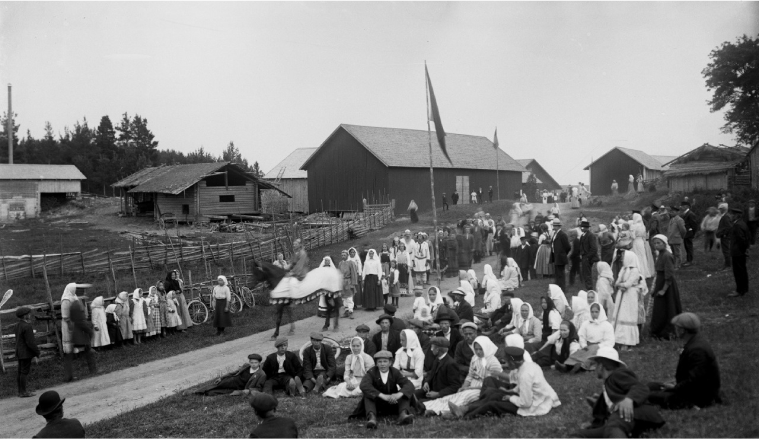
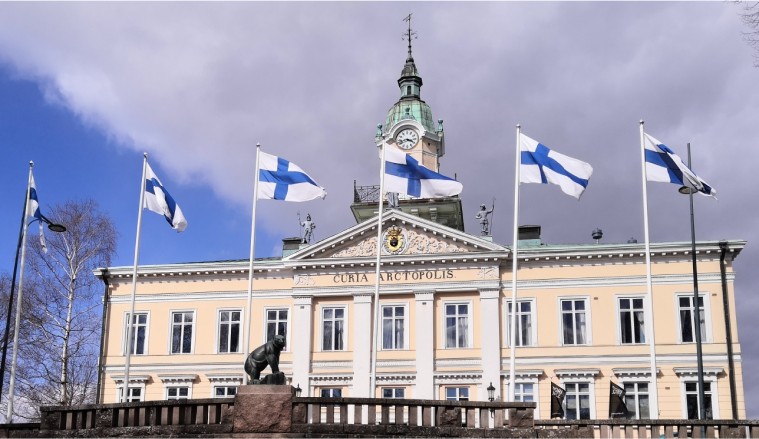
Finland has specific flag days, when flags are flown for the whole day. Flag etiquette is held in high regard. Flag days can be found in many places online, as well as being marked in some calendars and planners. Some Flag days are also public holidays and can effect regular business hours.
Lähde: Finland Civic orientation textbook Suomen Pakolaisapu ry Finnish Refugee Council